Case File No. 06 · Photography, Image and Rights, Galleries and Exhibitions
Cariou v. Prince: Canal Zone
Cariou v. Prince, 714 F.3d 694 (2d Cir. 2013)
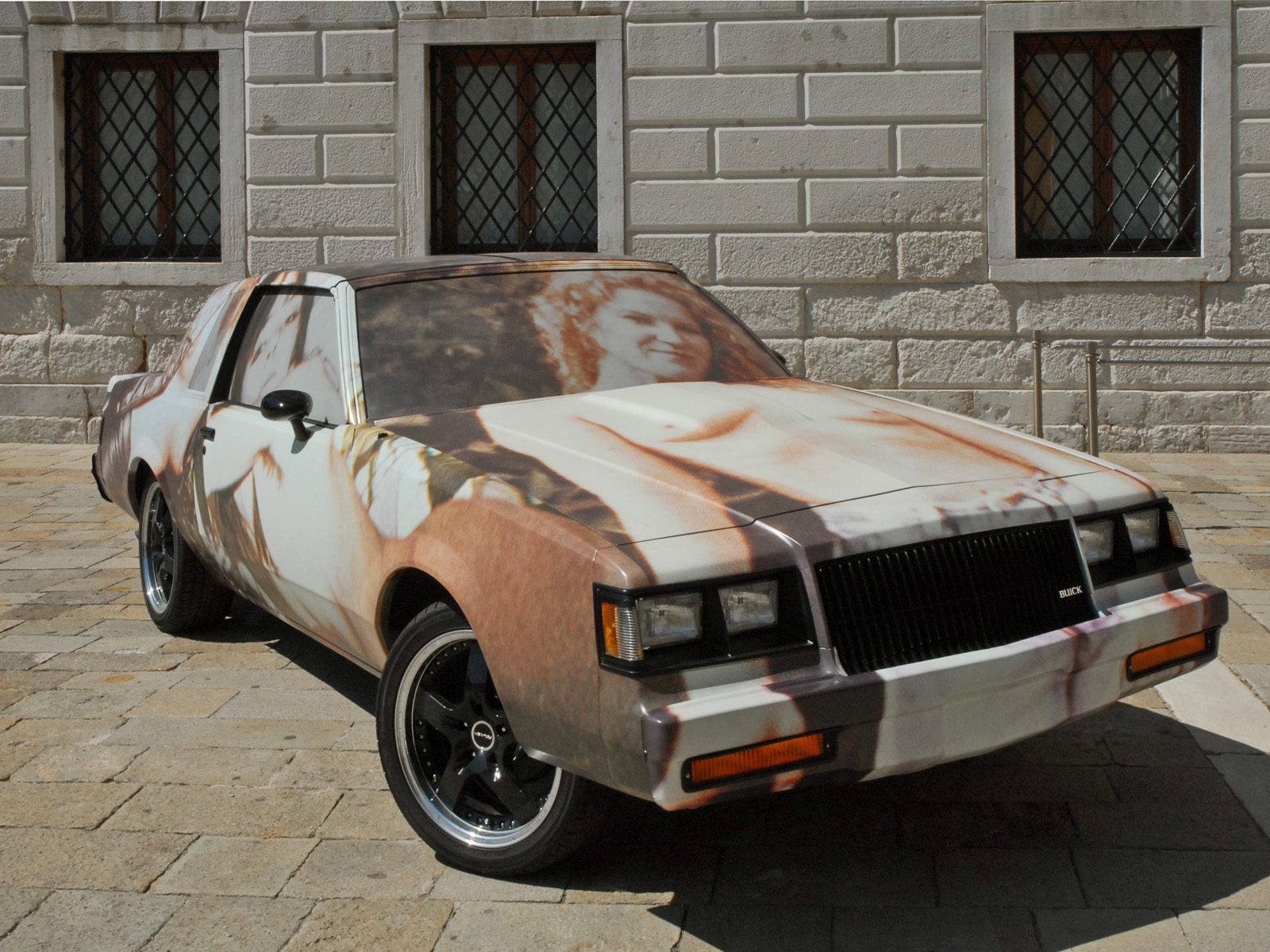
dalbera
Covering Hannah, Richard Prince, Venice, 2009
Photograph by dalbera (Jean-Pierre Dalbera), CC BY 2.0. CC BY 2.0 Source: Wikimedia Commons.

A Prince work on public view, not Prince himself.
- Court
- U.S. Court of Appeals, Second Circuit, 2013. Settled 2014 after the Supreme Court denied certiorari.
- Exposure
- Appropriation, fair use, gallery co-liability
What happened
Patrick Cariou published Yes Rasta, a book of photographs of Rastafarians in Jamaica. Richard Prince used 28 of the photographs in his Canal Zone paintings, shown at Gagosian Gallery, which was a co-defendant. The trial court found infringement in all 30 works at issue. The Second Circuit held 25 of the 30 were transformative fair use, and remanded 5 for further review. The case settled in 2014.
What the court held
A work that gives a source image a new aesthetic, meaning, and audience can be transformative fair use, but the question is work by work. Twenty-five paintings cleared the test, five did not on the record before the court, which is why the partial remand mattered.
What may have covered it
The risk bearers were Prince and Gagosian together, which is the point. A media liability or intellectual property defence policy for the artist, plus the gallery's own media and professional liability cover, may have funded defence costs, which are often the real loss even when you mostly win. A fine art policy would not have covered the injunction to hand over unsold works for destruction.
Coverage depends on the actual policy wording, the facts, and the state. Nothing here is a promise of coverage, and Artist Liability does not sell insurance on this page.